Department of Audiology
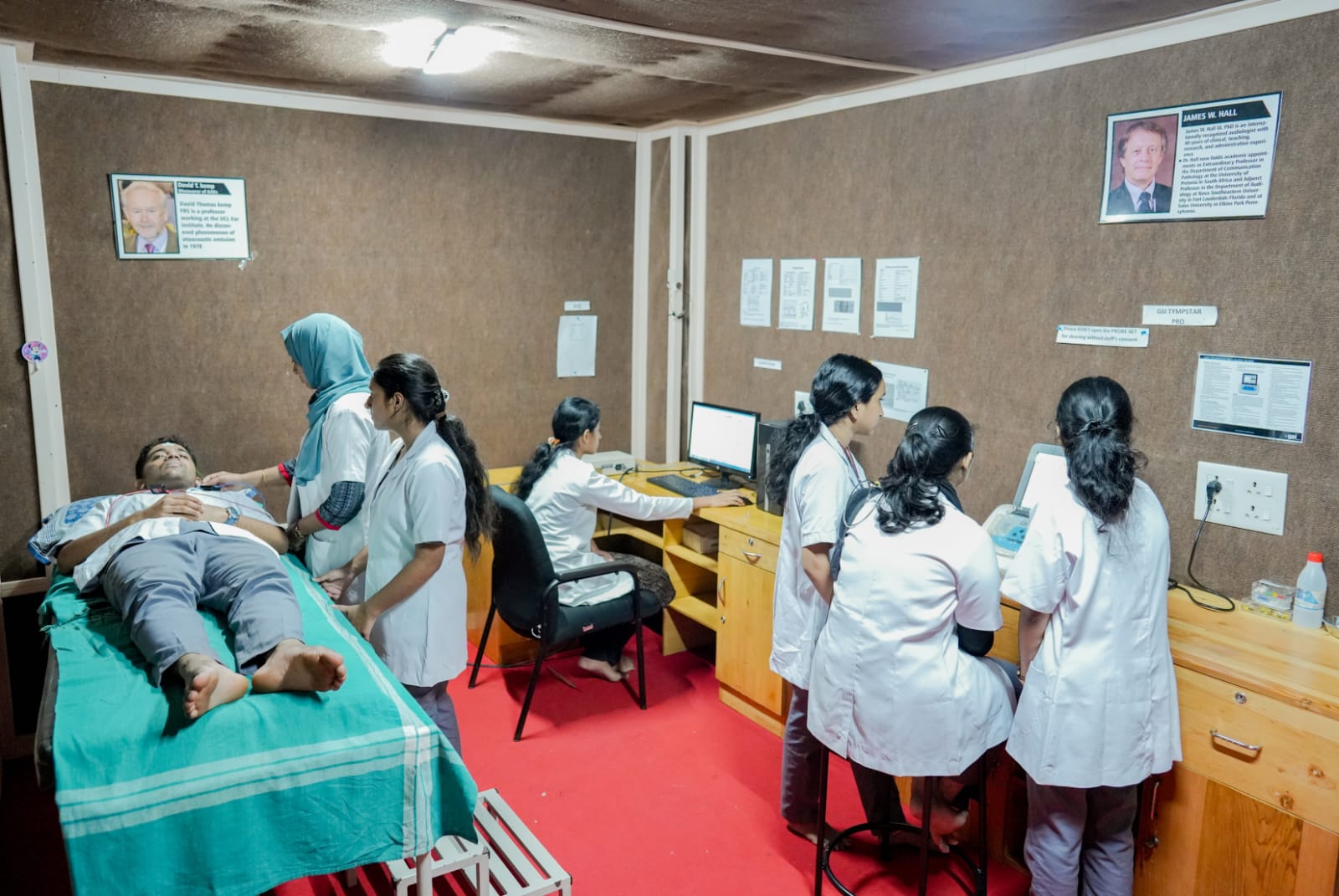
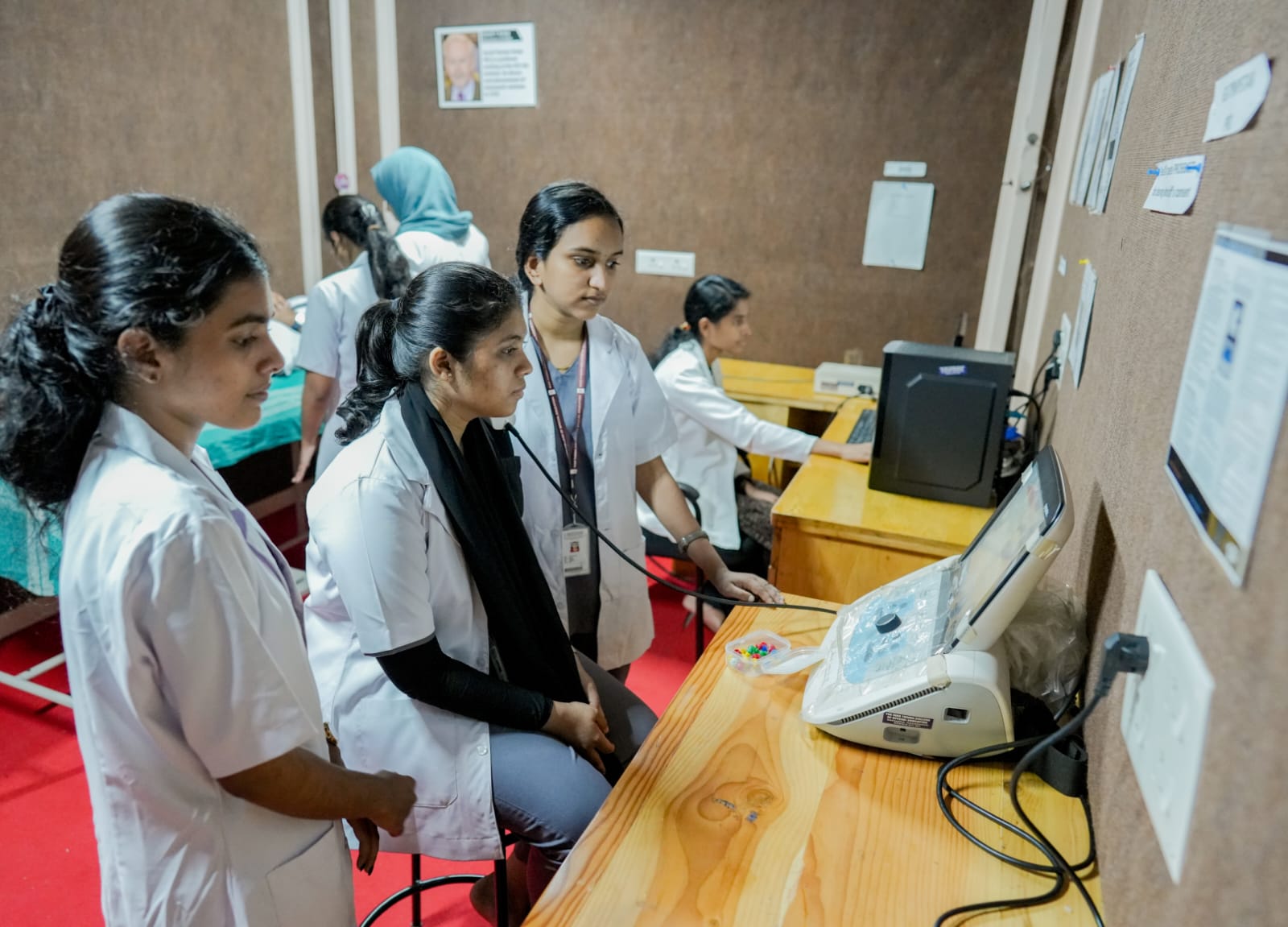
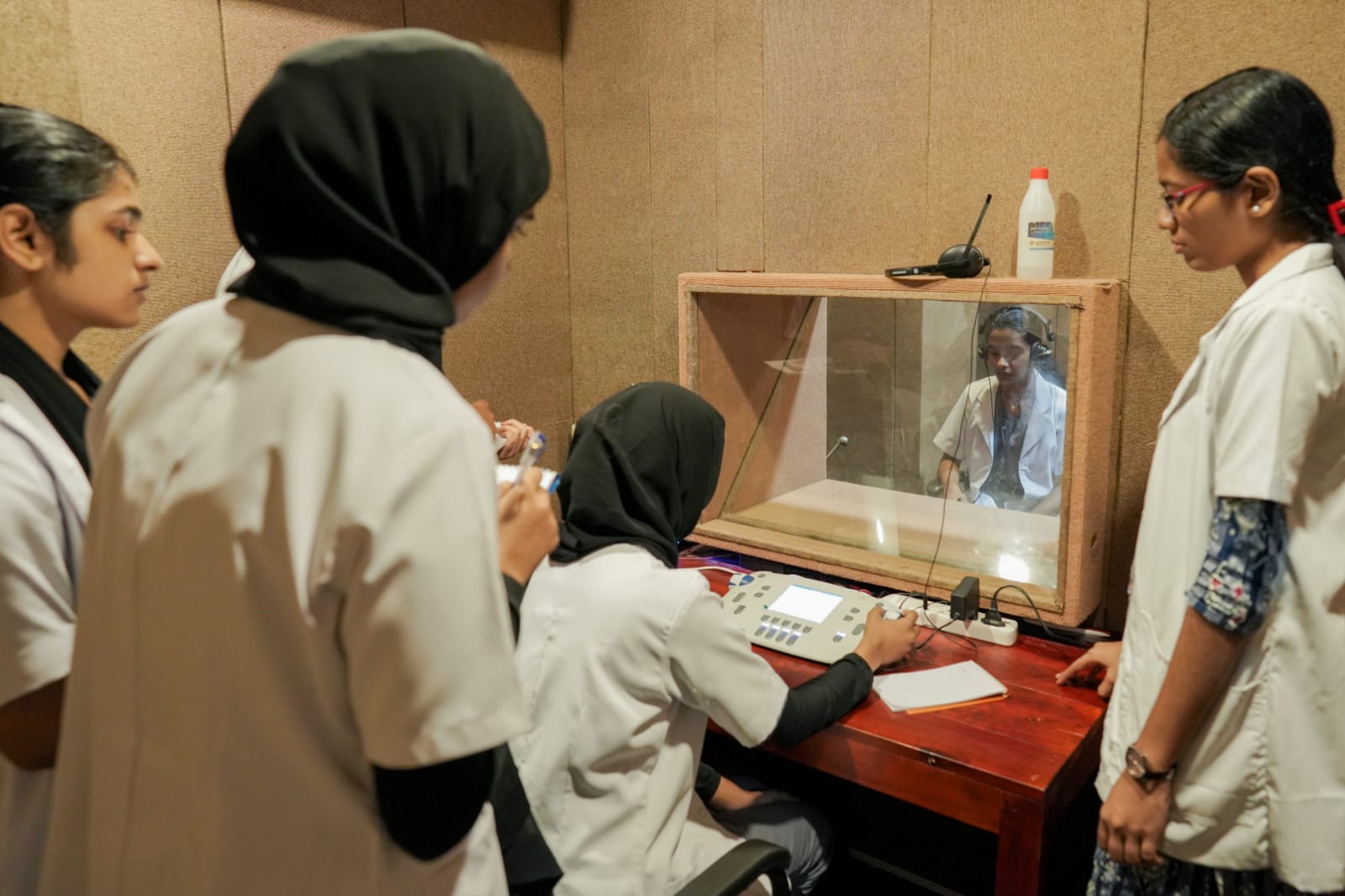
The Department of Audiology is equipped with state-of-the-art facilities to offer a comprehensive range of audiological assessments and rehabilitation services for individuals with hearing and balance disorders. Both subjective and objective tests are available to accurately assess hearing sensitivity and guide appropriate interventions.
Audiometric Evaluations
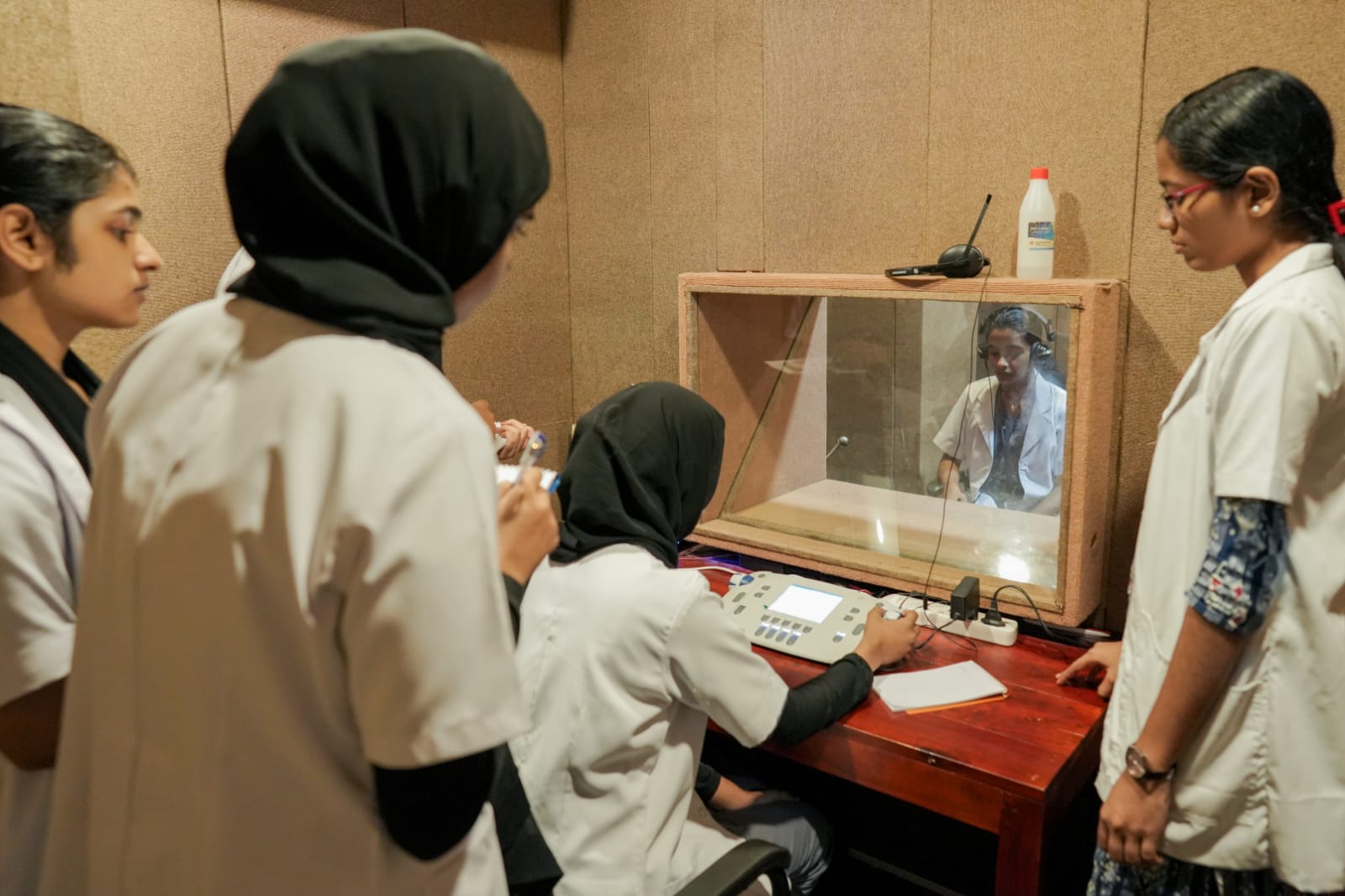
- Pure Tone Audiometry (PTA): Hearing test used to measure a person’s hearing ability.
- Speech Audiometry
- Special Tests: Tone Decay Test (TDT), Short Increment Sensitivity Index (SISI), Alternate Binaural Loudness Balance (ABLB): These are advanced tests used to further investigate specific types of hearing loss.
- Immittance Audiometry (GSI-38): This test examines the function of the middle ear.
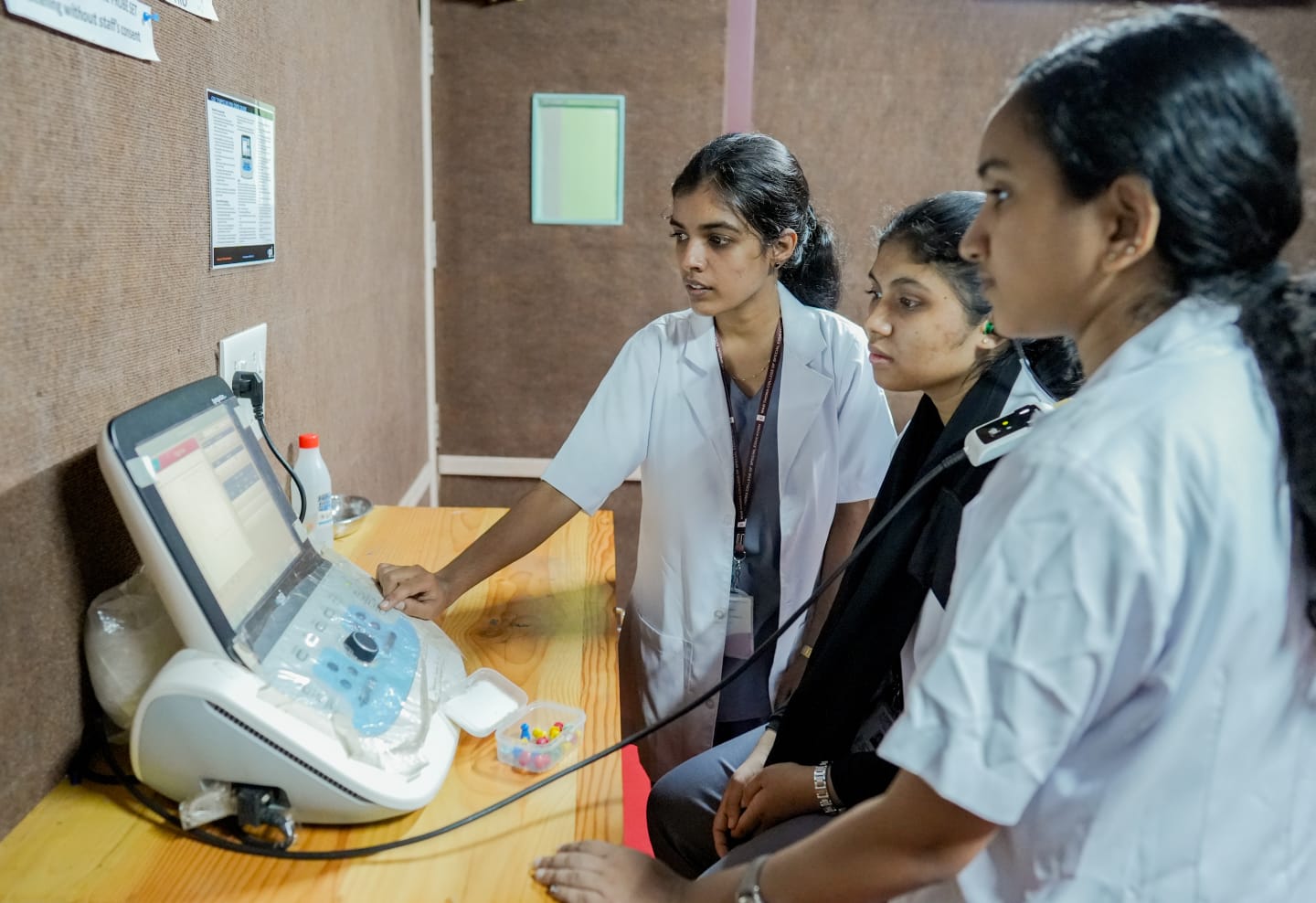
- Eustachian Tube Function Test (GSI TympStar): This test assesses proper functioning of the eustachian tube.
- Otoacoustic Emissions (OAE) – GSI Audera: A quick, non-invasive test used to assess inner ear (cochlear) function, commonly performed as part of newborn hearing screening.
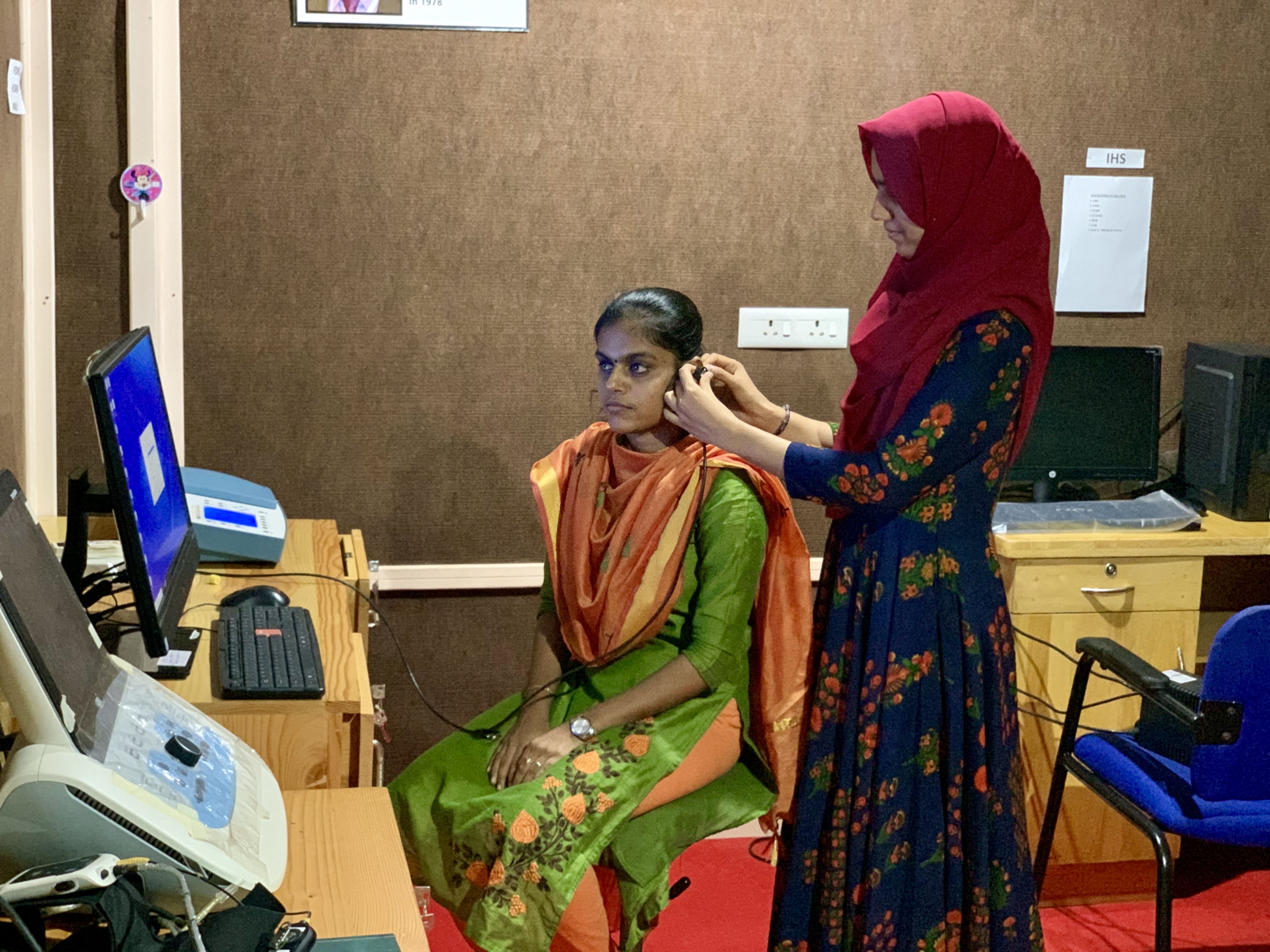
- Electrophysiological Tests: Tests that assess hearing by measuring the brain’s response to sound, often used for infants and difficult-to-test individuals.
- The following electrophysiological tests are offered in the department:
- Brainstem Evoked Response Audiometry (BERA)
- Auditory Steady-State Response (ASSR)
- Middle Latency Response (MLR)
- Late Latency Response (LLR)
- Electrocochleography (ECochG) – IHS system
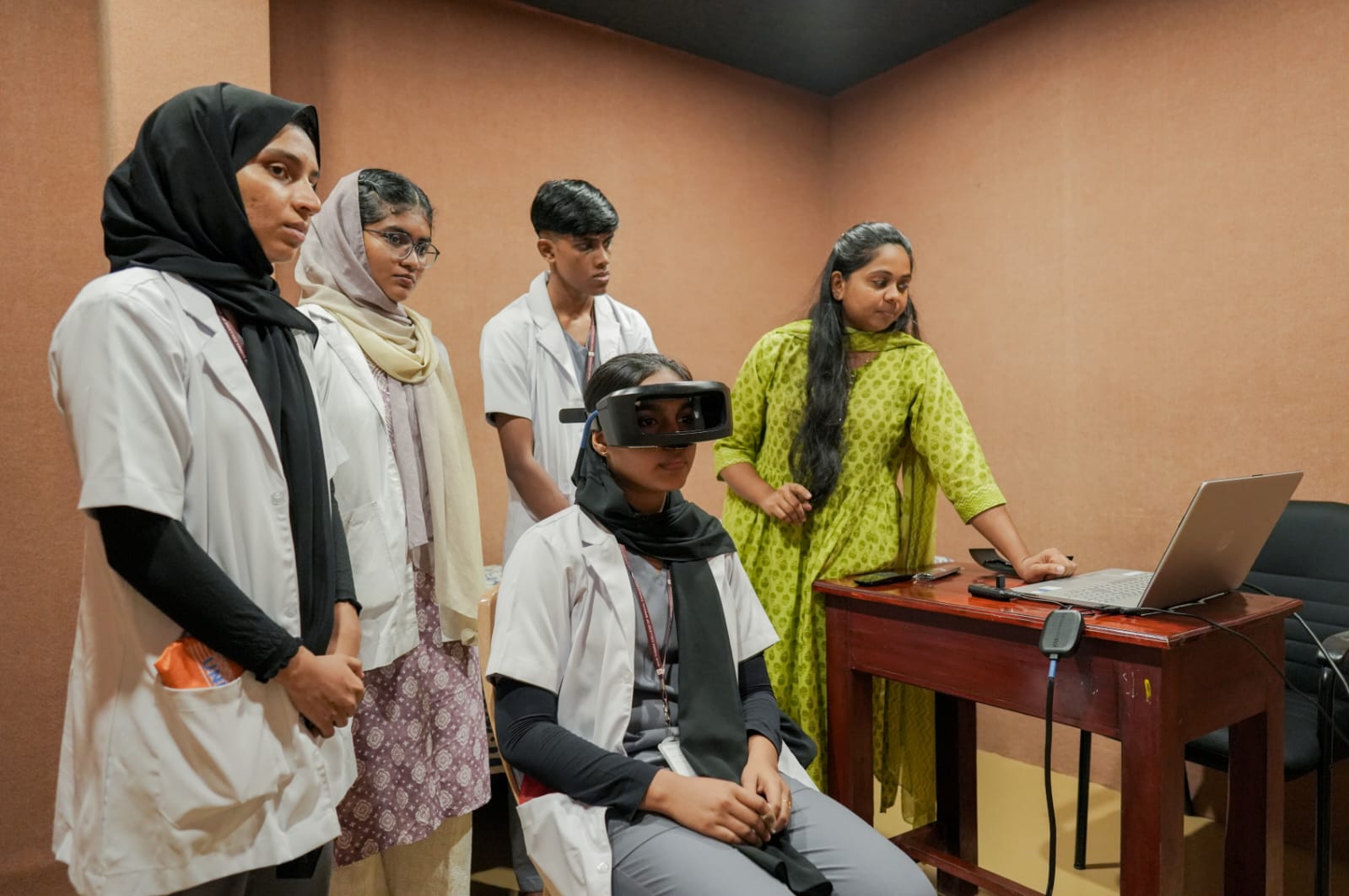
- Vestibular Assessment: Tests that help evaluate balance and dizziness-related issues by testing the inner ear and its connection to the brain.
- Some of the vestibular tests include:
- Vestibular Evoked Myogenic Potentials (VEMP)
- Videonystagmography (VNG)
Dedicated Services
- Newborn Hearing Screening: Early detection using objective measures for timely intervention.
- Hearing Aid Trial and Fitting: Evaluation and selection of suitable amplification devices using the latest hearing aid technology.
- The department also houses a fully functional Ear Mould Laboratory and offers the most technologically advanced hearing instruments available.
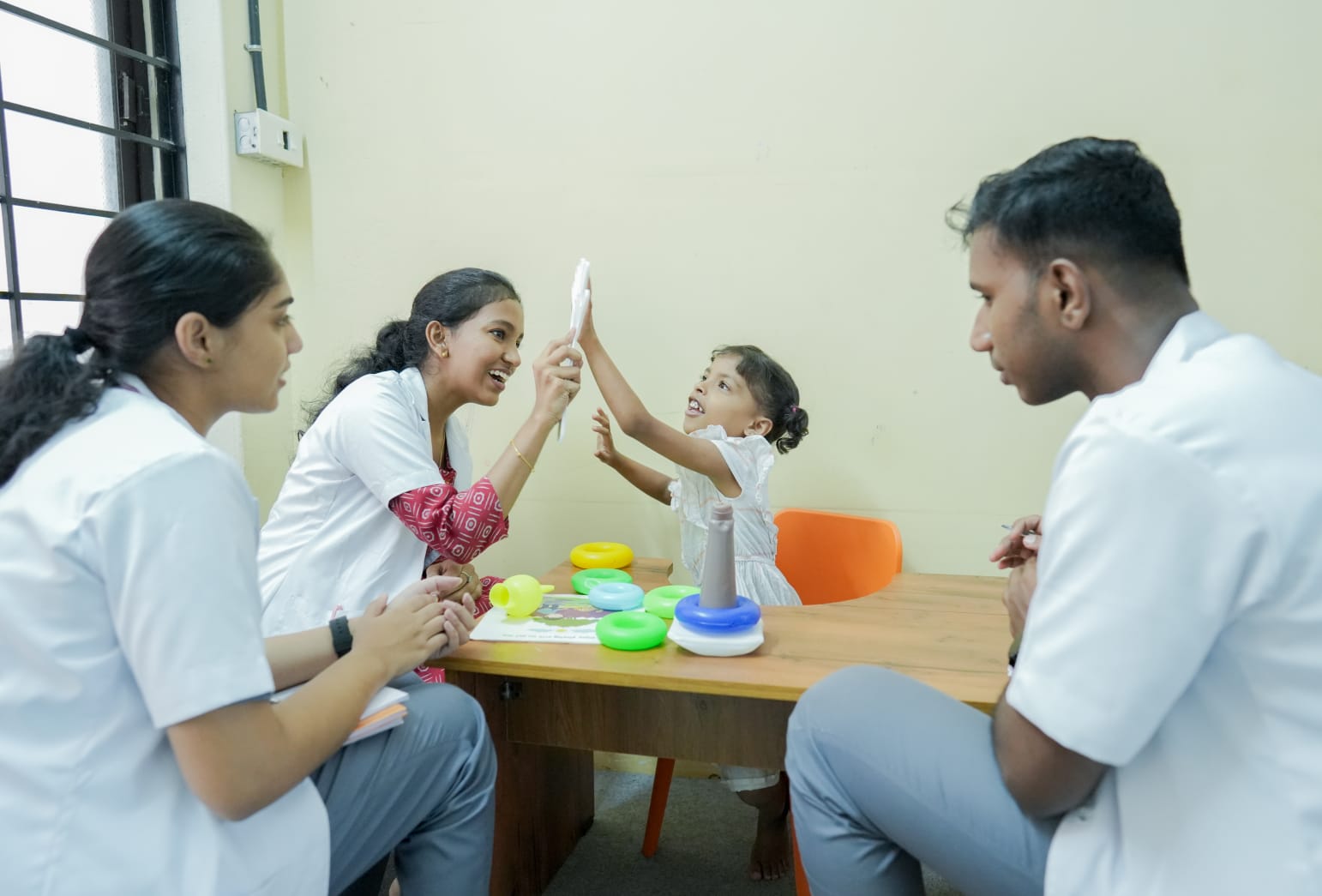
- Our team comprises experienced audiologists who specialize in the assessment and rehabilitation of both pediatric and geriatric populations. We provide personalized, age-appropriate care tailored to the unique communication and hearing needs of each age group. From early intervention services for infants and children to hearing aid management and auditory rehabilitation for older adults, our goal is to ensure effective support and improved quality of life across the lifespan. communication and hearing needs of each age group. From early intervention services for infants and children to hearing aid management and auditory rehabilitation for older adults, our goal is to ensure effective support and improved quality of life across the lifespan.